
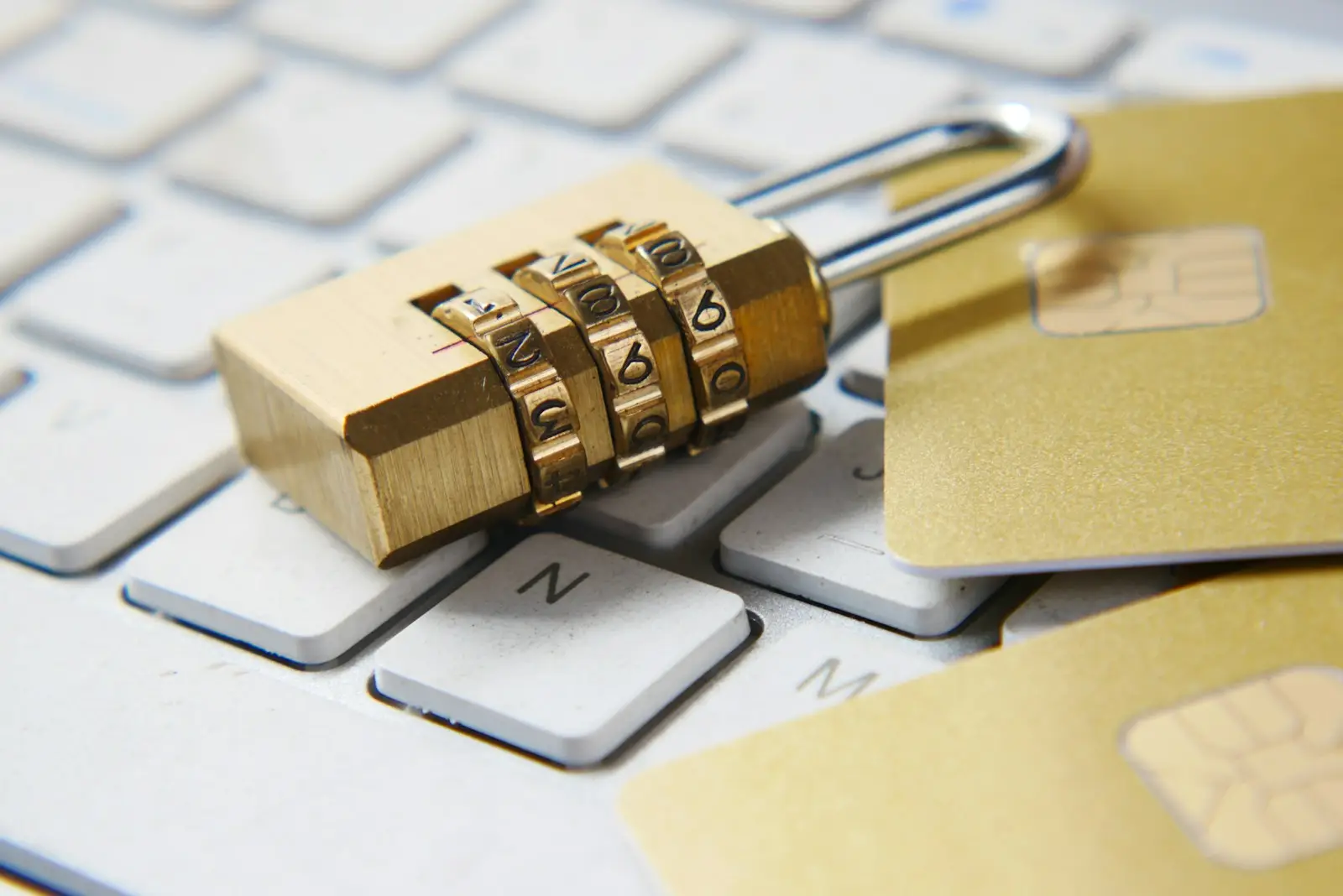
PCI stands for Payment Card Industry. Most merchants hear it in the phrase PCI DSS, which means Payment Card Industry Data Security Standard.
In simple terms, PCI DSS is a set of security requirements designed to protect payment card data. The PCI Security Standards Council says PCI DSS applies to entities that store, process, or transmit cardholder data, including merchants, processors, acquirers, issuers, and service providers.
For merchants, PCI is not just a compliance checkbox.
It is part of protecting customers, reducing breach risk, and keeping the ability to accept card payments.
Why PCI Matters
If a business accepts credit or debit cards, it has some level of PCI responsibility. That applies whether the business is a restaurant, retailer, healthcare office, e-commerce shop, service company, or mobile merchant.
Small merchants are included too. The PCI Council notes that PCI DSS applies regardless of size or transaction volume, although smaller businesses may have simpler environments and fewer systems to protect.
A data breach can create major consequences, including fraud exposure, customer loss, investigation costs, fines, higher processing scrutiny, and reputational damage.
What PCI Is Trying to Protect
PCI focuses on payment account data, especially cardholder data and sensitive authentication data.
Merchants should avoid storing raw card information whenever possible. If card data is stored, processed, or transmitted, the systems involved may fall into PCI scope.
Common ways to reduce risk include using:
- Hosted payment pages
- Hosted payment fields
- Tokenization
- Point-to-point encryption
- Validated payment software
- Approved payment devices
- Secure passwords
- Firewalls
- Employee security training
- Regular device inspections
PCI is not only about technology. It is also about people and process.
What Merchants Should Do Now
Merchants should review:
- Who handles payment data
- Where card data enters the business
- Whether any card data is stored
- Which POS or website systems touch payments
- Whether vendors are PCI compliant
- Whether default passwords have been changed
- Whether employees know how to spot suspicious devices
- Whether annual PCI validation is current
Merchants should also ask their processor or acquiring bank what PCI validation requirements apply to their business.
The Main Takeaway
PCI is the foundation of payment security.
For merchants in 2026 and beyond, PCI matters even more because payment environments are becoming more complex. Businesses may accept cards in-store, online, through invoices, through mobile devices, through apps, and through third-party platforms.
The practical recourse is simple: reduce where card data touches the business, use secure payment tools, train employees, work with trusted vendors, and keep PCI responsibilities current.
PCI is not just about passing a form. It is about protecting the payment trust that every merchant depends on.