
Payments are getting more personal.
For years, the industry has focused on making checkout faster: tap a card, scan a phone, click a saved payment method, approve a transaction with a fingerprint. Now the next step is becoming clearer. Digital identity and biometric payments are starting to merge.
That means a customer’s face, fingerprint, or mobile ID may eventually help them enter a venue, verify their age, access loyalty rewards, and complete a payment.
For merchants, this could be a major improvement. Faster lines, fewer abandoned checkouts, smoother loyalty enrollment, and stronger fraud prevention all sound good. In busy environments like restaurants, stadiums, hotels, airports, and retail stores, removing even a few seconds from each transaction can make a real difference.
But biometric payments come with a different level of responsibility.
A credit card can be replaced. A password can be reset. A face cannot.
That is why customer trust has to come before speed. If a business plans to use biometric tools, customers need to clearly understand what is being collected, why it is being used, where it is stored, and whether they can say no. This cannot be hidden in fine print or treated like a routine software update.
The experience also has to feel natural. Customers should never be surprised by a face scan or identity check. If the process feels unclear, invasive, or forced, the technology may create more concern than convenience.
Merchants should also remember that not every customer will want to use biometrics. Some people will prefer cards, cash, mobile wallets, or traditional IDs. Offering biometric payment as an option is very different from making it the only path.
Before adopting these tools, businesses should review their privacy policies, vendor contracts, data security controls, staff access, customer consent process, and state-level compliance obligations. They should also decide how they will handle customer questions, opt-outs, and disputes.
The future of checkout may be faster, but faster is not enough.
The businesses that benefit most from biometric payments will be the ones that make customers feel informed, respected, and in control. Convenience can open the door. Trust is what keeps customers willing to walk through it.
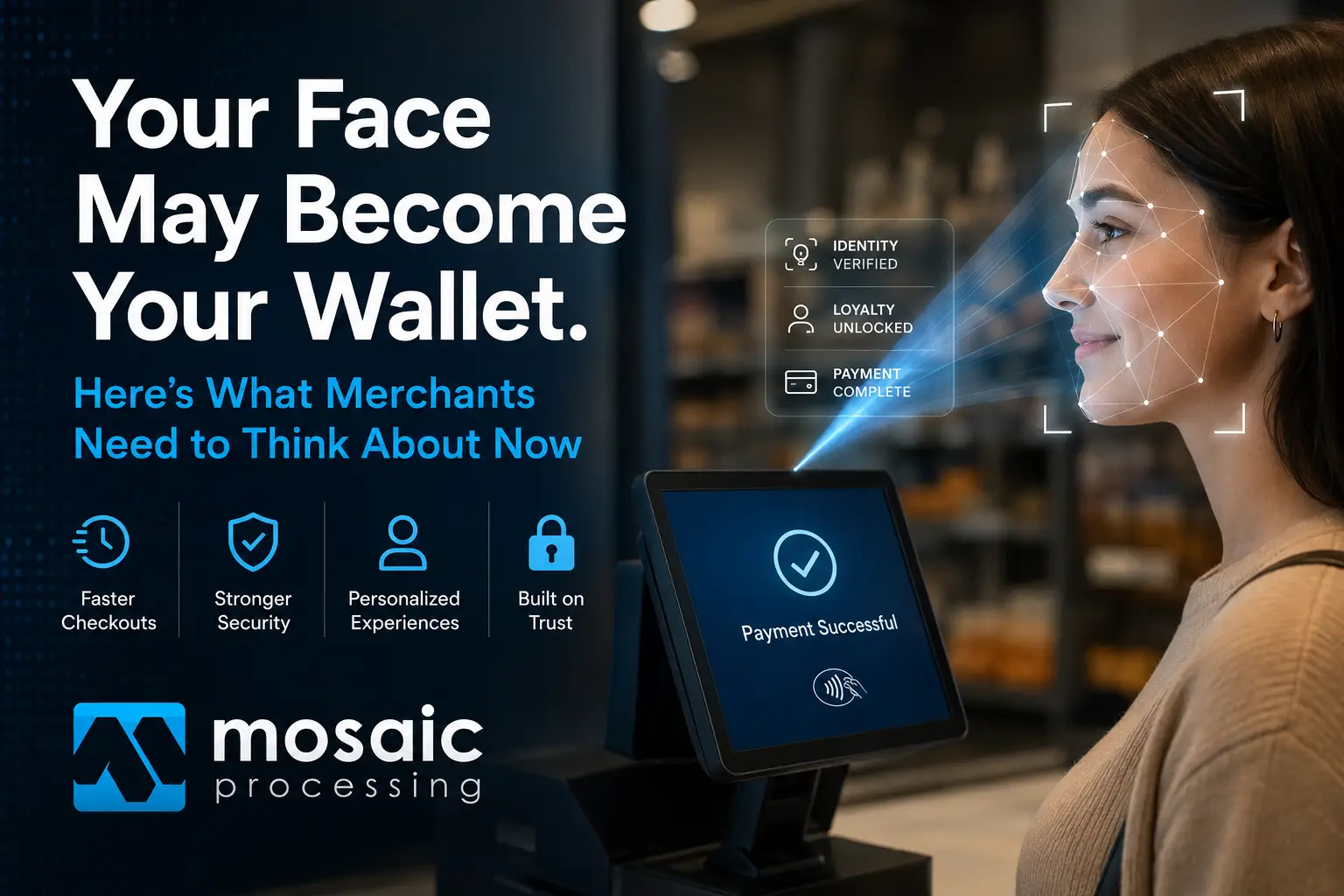
Biometric payments are moving from science fiction to the checkout line. As facial recognition and digital identity become part of everyday commerce, merchants who balance convenience with transparency, privacy, and customer trust will be best positioned for the future.